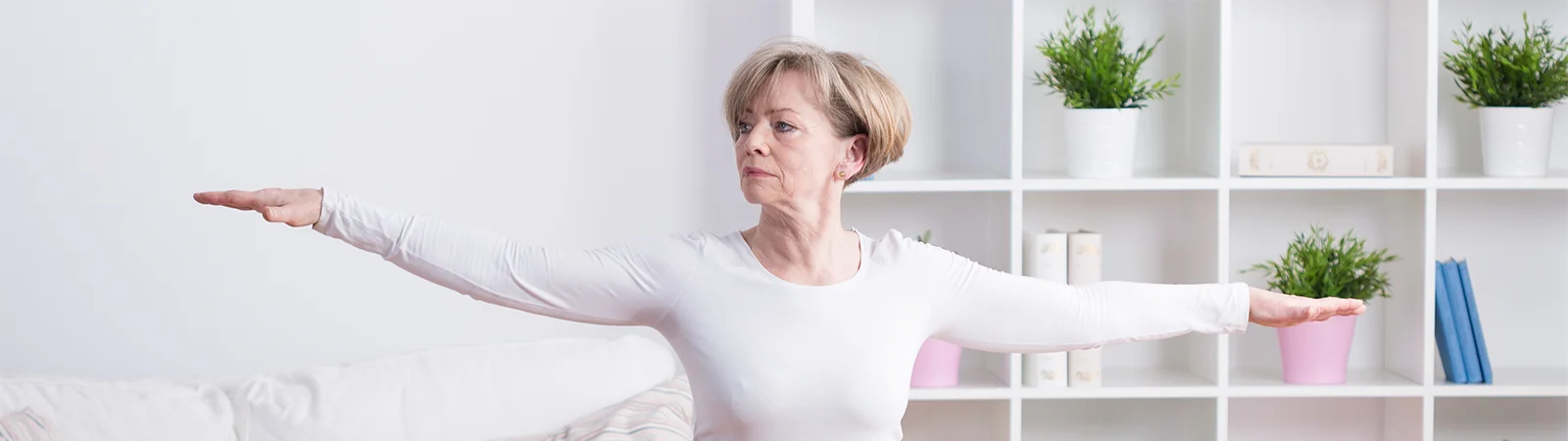
Exercise guidelines for seniors call for at least 150 minutes of moderate-intensity aerobic activity weekly, muscle-strengthening on two or more days, and balance work built into your routine, according to the CDC and WHO. These are targets to build toward gradually – not a bar you have to clear immediately. Ten-minute sessions count, and something […] Read More
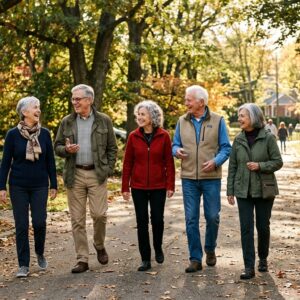
A walking program for seniors works best when it starts gradually, builds over four weeks, and pairs steady low-impact cardio with rest days for recovery. Walking consistently – even in short sessions – can support cardiovascular health, balance, and independence, which are all tied to functional age. Always check with a healthcare provider before starting, […] Read More
Strength training for seniors is one of the most effective ways to maintain muscle mass, protect balance, and preserve independence as you age. Starting with simple bodyweight movements, resistance bands, or light weights two to three times a week can meaningfully slow muscle loss and improve daily function, even if you’ve never exercised before. Getting […] Read More
Balance and stamina are the two physical qualities that most determine how independently you can live as you get older. Balance keeps you steady and upright; stamina gives you the endurance to get through your day. Together, they form the foundation of what’s called your “functional age” – a more accurate measure of your physical […] Read More
Vestibular health in seniors refers to how well the inner ear’s balance system works together with vision and proprioception (the body’s sense of position) to keep a person steady. This system naturally weakens with age, which can lead to dizziness, unsteadiness, and a higher fall risk. Simple safety habits, targeted exercises, and prompt medical attention […] Read More
To fall-proof your home after 60, work room by room: improve lighting everywhere (with night lights on the bedroom-to-bathroom route), remove or secure loose rugs and clutter, fit grab bars by the toilet and in the shower, add handrails on both sides of stairs, and wear supportive non-slip footwear indoors. Most of these fixes are inexpensive, […] Read More
The early warning signs of poor balance in seniors include feeling unsteady on your feet, holding onto furniture or walls to move around, dizziness when standing up, widening your stance to feel stable, difficulty standing on one leg, and any near-falls or trips. These signs appear before a serious fall and are the body’s early […] Read More
The best balance exercises for seniors over 60 progress from simple to challenging: feet-together stands, heel-to-toe (tandem) stands, single-leg stands, heel and toe raises, sit-to-stands, and gentle dynamic moves like weight shifts and marching – plus tai chi for whole-body control. All can be done at home with a wall or sturdy chair for support and […] Read More
Fall prevention for seniors works best as a combination: balance and strength training to fix the body’s own stability, removing hazards around the home, reviewing medications and vision, and addressing the specific weaknesses a functional assessment reveals. No single change prevents falls on its own – but together these steps substantially lower risk. The single […] Read More
Balance tests for seniors – such as the single-leg stance, tandem stance and the Timed Up and Go – measure postural control and reveal fall risk long before a fall happens. Balance depends on three systems working together: the inner ear (vestibular function), the body’s position sense (proprioception) and vision. All three decline with age, often […] Read More